
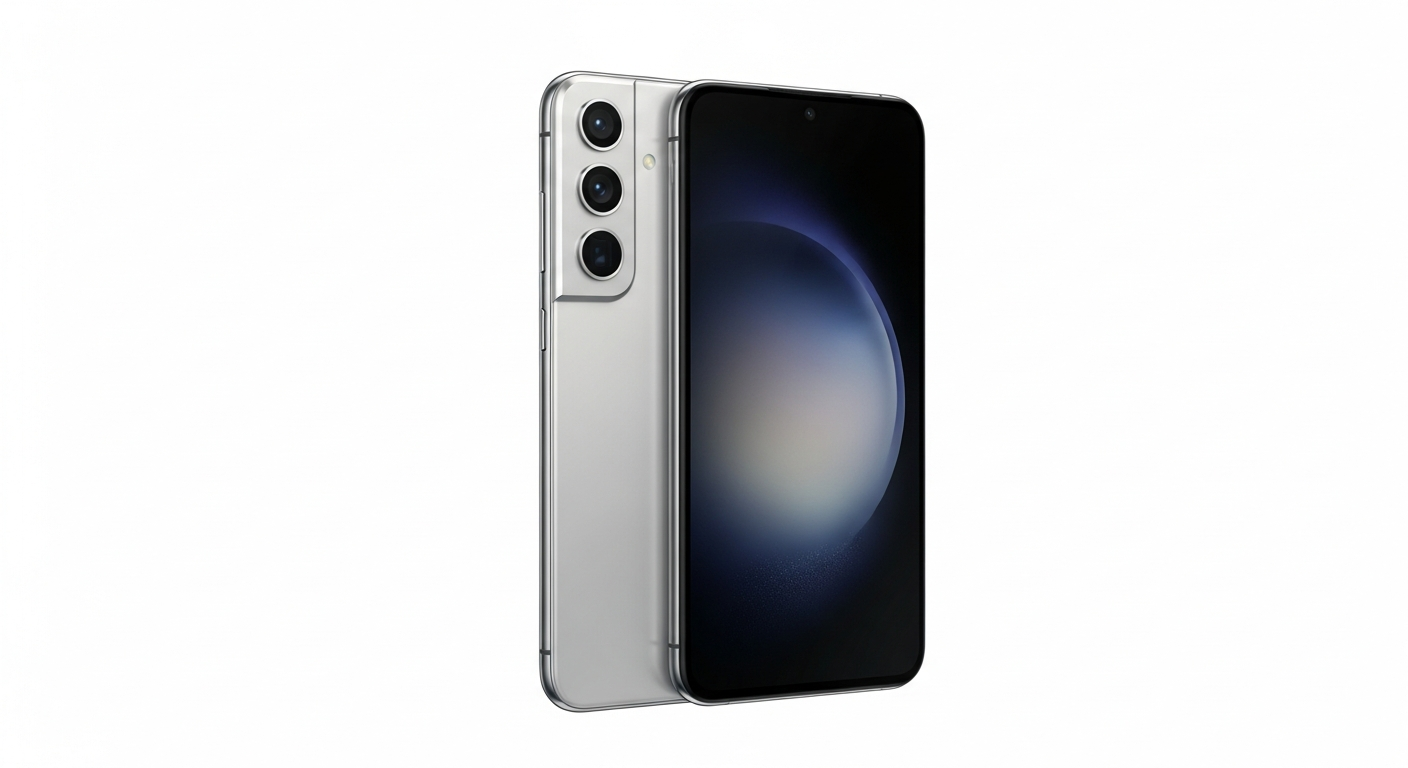
Samsung Electronics has launched its ‘Galaxy S26 series’ in South Korea, aiming to solidify its leadership in mobile AI. The new flagship line introduces a user-centric AI concept called ‘Mobile Agentic AI’ and is built on a more advanced AI operating system co-developed with Google. The official domestic launch is March 11th, following a pre-order period that began February 27th.
Why Global Investors Should Pay Attention
This is not a standard device refresh; it is a live stress test of the next dominant business model for consumer hardware. Korea is serving as the incubator for a strategic pivot from one-time, high-cost hardware sales to a more stable, recurring revenue model built around AI services. Global investors must analyze this launch as a blueprint for how hardware manufacturers, including Apple, will attempt to monetize on-device AI over the next 18 months.
The key signal is the introduction of the ‘New Galaxy AI Subscription Club,’ a hardware-as-a-service (HaaS) offering with monthly fees that bundles residual value guarantees and even financial insurance. This model, combined with deep OS-level AI integration with Google and carrier partnerships to bundle AI software, previews a fundamental shift in the value proposition of a smartphone. The focus is moving from the physical device to the intelligent services it enables, a playbook that will inevitably be replicated in the US and EU markets.
Key Numbers
- AI Device Target: 800 million — **Samsung** plans to double its AI-enabled Galaxy devices from 400 million to 800 million this year, signaling an aggressive push to create a dominant installed base for its on-device AI ecosystem and future service monetization.
- Subscription Club Pricing: 6,900-8,900 won/month — This establishes a new, low-cost recurring revenue stream directly tied to hardware, a model global competitors will likely emulate to smooth out cyclical sales and increase customer lifetime value.
- Flagship Price Ceiling: 2,545,400 won — The price of the 1TB Galaxy **S26** Ultra tests the upper limits of consumer willingness to pay for premium AI-enabled hardware, setting a benchmark for flagship devices from global competitors.
- Bundled Insurance Value: Up to 3 million won — The inclusion of compensation for cyber financial crime damage within the AI subscription club demonstrates a strategy of bundling non-telecom services to increase perceived value and lock-in, a tactic likely to be adopted globally.
The Global Lesson: Bull & Bear Case
| Potential Upside for Global Markets | Risk & Warning Signal |
|---|---|
| The ‘New Galaxy AI Subscription Club’ offers up to 50% residual value compensation, providing a clear roadmap for global hardware makers to transition customers to higher-margin, recurring-revenue subscription bundles. This de-risks dependence on cyclical hardware launches and could unlock significant enterprise value. | Samsung is co-developing an AI OS with Google while carriers simultaneously bundle separate Google AI services. This dual-track approach could create fragmentation within the Android AI ecosystem, signaling a risk of consumer confusion and a less coherent experience compared to Apple’s vertically integrated model. |
Antigravity Verdict
- Precedent Risk Score: High — The strategic shift from hardware unit sales to AI-driven subscription services is a global imperative for tech manufacturers. Samsung’s scale and deep partnership with Google make this a highly influential test case that competitors cannot afford to ignore.
- One-Liner for the Pre-Market Desk: Samsung is beta-testing the end of the smartphone as a one-time purchase, using AI as the hook to lock consumers into a recurring revenue future.
- Watch This Space: Monitor the adoption rate of the ‘New Galaxy AI Subscription Club’ in Samsung’s upcoming quarterly earnings reports. This metric will be the first hard data point on whether consumers globally will accept a subscription model for their primary computing device.